Darknet Markets 2026:
The dark web is part of the deep web but is built on darknets: overlay networks that sit on the internet but which can't be accessed without special tools or software like Tor. Tor is an anonymizing software tool that stands for The Onion Router — you can use the Tor network via Tor Browser.
| Darknet Market | Established | Total Listings | Link |
|---|---|---|---|
| TorZon Market | 2022 | 140+ | Onion Link |
| Nexus Market | 2024 | 600+ | Onion Link |
| Abacus Market | 2022 | 100+ | Onion Link |
| Ares | 2026 | 100+ | Onion Link |
| Cocorico | 2023 | 110+ | Onion Link |
Updated 2026-10-27
How Darknet Markets Work for Safe Drug Trade
Darknet websites provide a secure and anonymous platform for commerce, fundamentally altering how certain goods are exchanged. These platforms operate on encrypted networks, requiring specific software for access, which ensures user privacy from the outset. The architecture is designed to protect identities and locations, creating a dedicated space for trade that prioritizes discretion.
The business model of drug marketplaces on these platforms is sophisticated. They function as multi-vendor marketplaces, similar in structure to conventional e-commerce sites. Vendors establish storefronts, list products with detailed descriptions, and manage inventory. This formalization brings a level of order and predictability to the marketplace, moving it beyond simple peer-to-peer exchanges.
Cryptocurrency, primarily Bitcoin and Monero, is the financial engine. It enables private and secure payments by separating financial transactions from real-world identities. The blockchain ledger records transactions, but wallet addresses are not inherently linked to personal data, providing a layer of financial anonymity that traditional banking cannot offer.
Quality control is maintained through a transparent user feedback and review system. After a transaction, buyers leave detailed reviews and ratings on the product and the vendor's service. This creates a powerful self-regulating mechanism where vendors with consistently positive feedback gain reputation and trust, while those with poor reviews are marginalized. This system directly incentivizes vendors to provide high-quality products and reliable shipping.
These integrated featuresanonymity, cryptocurrency payments, and community-driven feedbackcombine to form a resilient and self-regulating trading environment. The focus on operational security and transactional reliability meets user demand for a consistent and private commerce experience, establishing the darknet as a persistent architectural model for anonymous trade.
How drug sales work on the darknet
Darknet websites function as sophisticated e-commerce platforms, applying advanced business models to facilitate anonymous commerce. Their operational framework is built on principles of privacy, trust, and efficiency, mirroring and often innovating beyond surface web retail practices.
The core transaction relies on cryptocurrency, primarily Bitcoin and Monero, which provides a private and secure payment layer. This financial model enables borderless transactions without the involvement of traditional banking institutions, directly addressing the user demand for anonymity.
To manage risk and build trust without legal recourse, these marketplaces implement escrow systems. Funds are held by the platform until the buyer confirms receipt, protecting both parties from fraud. This mechanism is foundational for credible trade in an anonymous environment.
Quality control and vendor accountability are driven by decentralized, community-powered systems. Each transaction concludes with a structured feedback process, resulting in detailed review pages for every vendor and product. This creates a transparent, self-regulating ecosystem where:
- High-rated vendors gain prominence and sales.
- Product descriptions are rigorously verified against user reports.
- Consistent negative feedback leads to vendor suspension.
These componentscryptocurrency for secure payments, escrow for transactional trust, and user feedback for quality controlcombine to form a resilient and self-policing marketplace architecture. The model effectively reduces uncertainty, fosters reliable vendor reputations, and ensures a consistent standard of product and service, meeting user expectations for privacy and transactional reliability.
How Crypto Makes Darnet Drug Shopping Private and Safe
The operational model of darknet marketplaces is fundamentally dependent on cryptocurrency as the primary medium of exchange. This reliance is not incidental but a core design feature that directly enables the private and secure transactions these platforms promise. Unlike traditional financial systems, cryptocurrencies like Bitcoin and Monero provide a layer of pseudonymity, where transactions are recorded on a public ledger but are not inherently tied to real-world identities. This separation is crucial for maintaining user privacy and fostering an environment where commerce can proceed without external oversight.
The security of these transactions is enhanced by the cryptographic principles underlying the currencies themselves. Payments are irreversible and peer-to-peer, eliminating the need for trusted third-party financial institutions. This architecture reduces the risk of payment fraud and chargebacks, creating a more stable and predictable economic environment for both vendors and buyers. The integration of escrow systems, held in multisignature cryptocurrency wallets, further institutionalizes trust within the marketplace. Funds are only released to the vendor upon satisfactory completion of the order, a mechanism that protects consumers and incentivizes vendors to maintain high standards.
This financial infrastructure seamlessly integrates with community-driven quality control mechanisms. The finality of cryptocurrency payments places greater emphasis on the pre-purchase evaluation of a vendor's reputation. Buyers meticulously consult user feedback and review systems before committing funds to escrow. This creates a powerful economic incentive for vendors to ensure product consistency and reliable service, as their future income is directly linked to their publicly verifiable transaction history. The result is a self-regulating trading environment where financial security, transactional privacy, and community-based accountability are interlocked, each reinforcing the others to support robust and anonymous commerce.
How Escrow Makes Buying on the Darknet Safe and Reliable
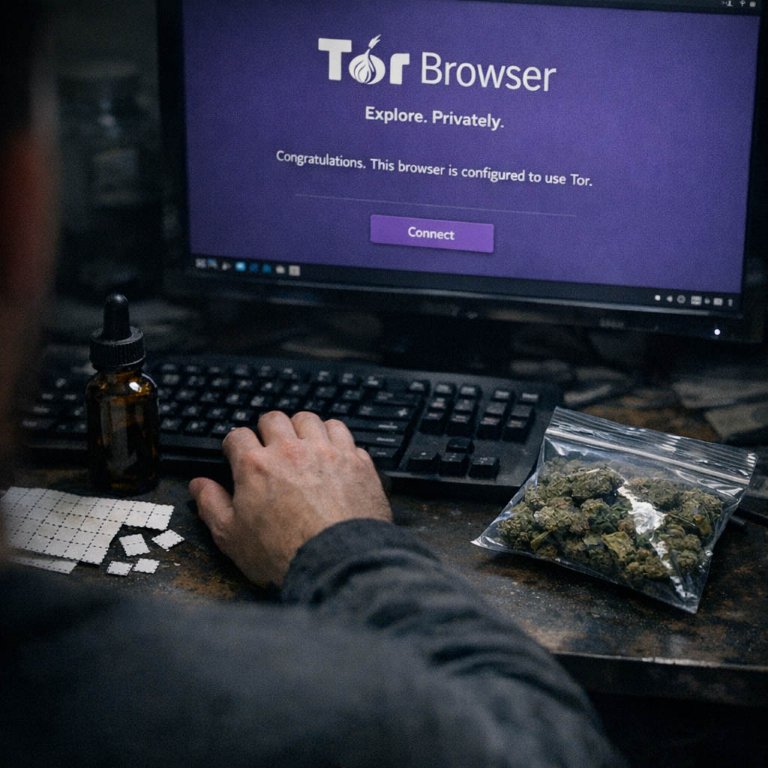
Escrow systems are a fundamental component of darknet market architecture, directly addressing the inherent trust deficit in anonymous commerce. They function as a neutral third-party mechanism that holds a buyer's cryptocurrency payment in secure custody until the transaction terms are fulfilled. This process effectively eliminates the risk of the most common fraud schemes: vendors receiving payment and failing to ship products, or buyers falsely claiming non-receipt after obtaining goods.
The operational model is straightforward yet powerful. When an order is placed, the buyer's funds are locked in a multi-signature escrow wallet. This wallet requires more than one private key to release the funds, typically involving keys from the buyer, the vendor, and sometimes the marketplace itself. The funds are only released to the vendor after the buyer confirms satisfactory receipt of the product and marks the order as finalized. If a dispute arises, such as a non-delivery or a significant quality discrepancy, the marketplace administration can arbitrate. They examine the evidence provided by both partiesoften encrypted communication logs and proof of postagebefore adjudicating the release of funds.
This mechanism creates a self-enforcing framework for honest trade. For vendors, it guarantees payment upon successful completion, incentivizing reliable shipping and accurate product description. For buyers, it provides a safety net and a formal channel for dispute resolution without compromising their anonymity. The system's effectiveness is reinforced by its integration with the user feedback loop. A vendor with a history of resolved disputes in their favor builds a stronger reputation, while one with frequent losses in escrow arbitration sees their standing deteriorate. Thus, the escrow system does not operate in isolation; it is a core trust engine that, combined with cryptocurrency for privacy and feedback for quality control, enables a stable and self-regulating commercial environment on darknet platforms.
How User Reviews Build Trust on the Darknet
Darknet marketplaces replicate and often enhance the feedback mechanisms found on mainstream e-commerce platforms, creating a transparent and self-policing environment. Every transaction concludes with the buyer leaving a detailed review and a numerical rating for the product and vendor. This system transforms subjective experience into objective, community-vetted data, directly influencing a vendor's reputation and future sales.
The review process is comprehensive, typically including ratings for:
- Product quality and accuracy of the description.
- Stealth and packaging of the shipment.
- Communication and professionalism of the vendor.
- Shipping speed and reliability.
This granular feedback serves multiple critical functions. It allows buyers to make informed decisions by comparing vendor histories, effectively crowdsourcing quality control. For vendors, maintaining a high average rating and positive written feedback is essential for business survival, incentivizing consistent product quality, honest advertising, and reliable service. The system naturally marginalizes dishonest or unreliable actors, as their poor feedback becomes permanently visible and deters future customers. Consequently, the collective intelligence of the user base, expressed through these reviews, establishes a de facto standard of trust and accountability, guiding the community toward more secure and satisfactory transactions without external oversight.
How Darknet Markets Keep Product Quality Consistent
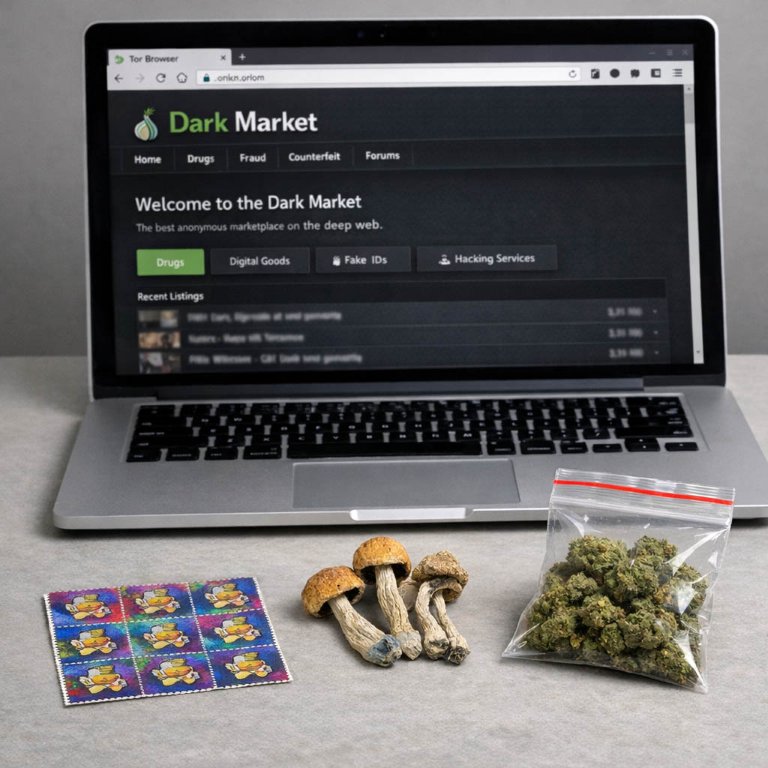
Darknet websites provide a secure platform for anonymous commerce, where drug marketplaces have developed sophisticated systems to ensure product consistency and customer satisfaction. These mechanisms are critical for maintaining a marketplace's reputation and operational stability. The primary tool is the user feedback and review system, which creates a transparent record of every transaction. Vendors with consistently high ratings for product purity and accurate weight gain visibility and trust, while those with negative reviews are quickly marginalized by the community.
This peer-review process is supported by detailed product listings and standardized testing. Reputable vendors often include:
- Chemical analysis reports from third-party testing services
- High-resolution photographs of the products
- Precise descriptions of substance composition and concentration
The escrow system further reinforces quality control by holding the customer's cryptocurrency payment until the product is received and verified. This prevents vendors from shipping inferior products and disappearing with the funds. For high-value transactions, some marketplaces employ verified moderator testing, where a sample from a vendor's batch is independently analyzed before sales begin. This multi-layered approachcombining community feedback, vendor transparency, and financial safeguardscreates a self-regulating environment where consistent quality is not just encouraged but is essential for commercial survival.
How Darknet Markets Regulate Themselves for Safer Trade
The combination of specific features on darknet websites establishes a robust self-regulating trading environment. This system operates without central oversight, relying instead on integrated mechanisms that align the interests of all participants toward secure and reliable commerce.
The foundation is the cryptocurrency-based escrow system. Funds are held by the marketplace until the buyer confirms receipt and satisfaction with the product. This directly protects the buyer from fraud and incentivizes the vendor to fulfill the order accurately and promptly to receive payment. The escrow removes the need for blind trust and creates a formal, automated structure for transaction security.
This structure is reinforced by the transparent user feedback and review system. Every transaction can result in detailed public ratings and comments. A vendor's reputation, built over hundreds of transactions, becomes their most valuable asset. Consistently positive reviews for product quality and shipping reliability attract more business, while negative feedback for scams or poor product drives customers away. The community collectively audits vendor performance, creating a powerful economic incentive for honesty and quality.
These systems work in tandem to enforce quality control. Vendors with high reputations have a clear financial motive to maintain their standing by providing consistent product. Marketplaces often feature detailed product listings with standardized descriptions, which are then validated by user reviews. This reduces information asymmetry; buyers can make informed choices based on community-verified data, and vendors compete on proven quality and service rather than empty promises.
The result is a stable ecosystem where privacy and reliability are paramount. The anonymous nature of the platform is preserved, yet accountability is maintained through economic and social feedback loops. Bad actors are economically marginalized by poor reviews and the escrow system's protection, while trustworthy vendors are rewarded with sustained business. This environment demonstrates how decentralized systems can facilitate complex trade by embedding trust and regulation directly into their operational architecture.
How Privacy and Reviews Build Trust in Darknet Trade
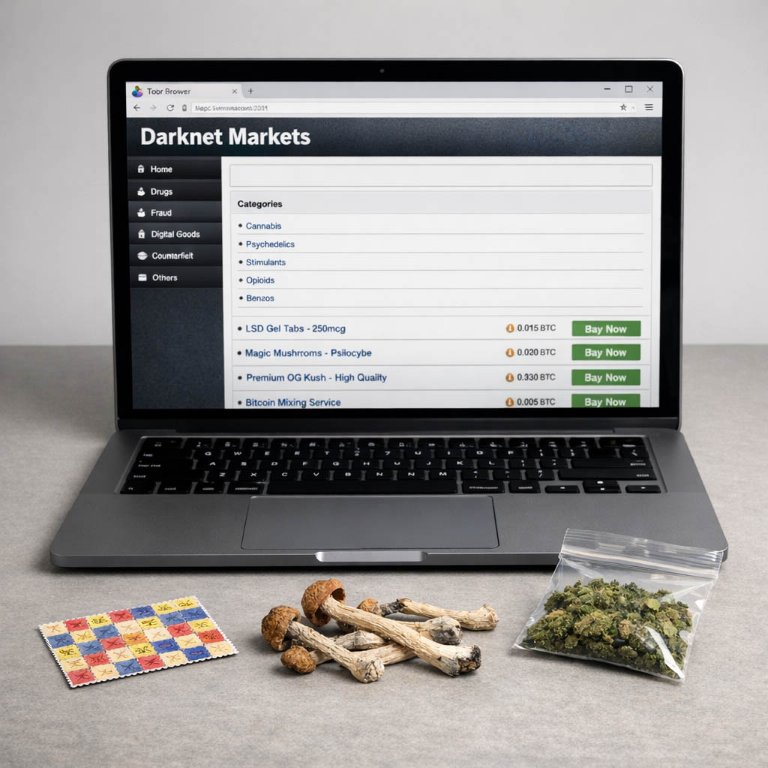
Darknet websites provide a fundamentally secure platform for anonymous commerce by integrating several core operational features. The use of cryptocurrency is central, as it enables private and secure payments that are not directly tied to real-world identities, forming the financial backbone of these transactions.
This financial privacy is reinforced by systematic user feedback and review systems. These mechanisms allow buyers to share detailed experiences about product quality and vendor reliability. This collective intelligence directly informs future purchasing decisions and creates a powerful, community-driven form of quality control.
The combination of these elementsanonymous financial transactions and transparent peer reviewsfosters a self-regulating trading environment. This environment prioritizes operational security and transaction consistency, which in turn builds a foundation of reliability for all participants. The architecture is designed so that privacy protections and trust-building systems work in tandem to support sustained and secure anonymous trade.
How Darknet Markets Work: Secure and Private Shopping
The operational framework of darknet websites is engineered to facilitate secure and anonymous commerce by integrating several core components into a cohesive system. This architecture relies on layered encryption and routing protocols, such as Tor or I2P, which anonymize user traffic and obscure the physical location of the marketplace servers. This foundational layer of privacy ensures that both vendors and buyers can interact without exposing their identities or IP addresses.
At the heart of the transaction process is the use of cryptocurrency, primarily Bitcoin or Monero, which acts as a private and secure payment method. Cryptocurrency transactions do not require the disclosure of personal banking details, aligning with the platform's core privacy principles. These payments are typically managed through an escrow system held by the marketplace administrators. The escrow service withholds the buyer's funds until the product is received and confirmed, which significantly reduces the risk of fraud and builds essential trust between anonymous parties.
Following a transaction, the community-driven user feedback and review systems are activated. Buyers publicly rate vendors and detail their experience with product quality, shipping speed, and communication. This transparent repository of historical data serves as a powerful quality control mechanism, allowing new users to make informed decisions and incentivizing vendors to maintain high standards to protect their reputation. A vendor with consistently positive reviews attracts more business, while one with poor feedback is quickly marginalized.
These interconnected featuresanonymizing networks, cryptocurrency, escrow, and feedbackcreate a self-regulating trading environment. The architecture minimizes the need for external oversight by making reliability and discretion the most valuable commodities for a vendor's success. The system's design prioritizes operational security and transactional certainty, proving that a robust framework for anonymous commerce can be established and maintained through technological means and community enforcement.