Darknet Markets 2026:
The dark web is part of the deep web but is built on darknets: overlay networks that sit on the internet but which can't be accessed without special tools or software like Tor. Tor is an anonymizing software tool that stands for The Onion Router — you can use the Tor network via Tor Browser.
| Darknet Market | Established | Total Listings | Link |
|---|---|---|---|
| TorZon Market | 2022 | 140+ | Onion Link |
| Nexus Market | 2024 | 600+ | Onion Link |
| Abacus Market | 2022 | 100+ | Onion Link |
| Ares | 2026 | 100+ | Onion Link |
| Cocorico | 2023 | 110+ | Onion Link |
Updated 2026-10-27
How dknet markets make buying and selling easy and private
Darknet markets operate on the principle of layered anonymity. Users access these platforms through encrypted networks like Tor or I2P, which mask their IP address and location. This foundational step separates a user's real-world identity from their market activity. Upon entering a market, a buyer creates a pseudonymous account, unrelated to their legal name, to browse listings.
The transaction process is designed for privacy. A buyer selects a product, often from a wide range of digital and physical goods, and places an order directly with the vendor. The payment is executed using cryptocurrencies, primarily Bitcoin or Monero. These currencies provide a financial layer of privacy, as blockchain transactions, while public, are not inherently tied to personal identities. For enhanced security, users employ private wallets and mixing services to further obfuscate the payment trail.
Trust is facilitated through technological and social systems. An escrow service, managed by the market's software, automatically holds the buyer's cryptocurrency until the product is received and confirmed. This protects both parties. Furthermore, a transparent user review and rating system allows buyers to evaluate vendors based on transaction history, product quality, and communication. This creates a self-regulating environment where reliable vendors thrive.
The resilience of these markets stems from their decentralized and adaptive nature. Many operate without a central point of failure, and administrators continuously update security protocols to counter vulnerabilities. This ecosystem demonstrates a functional model for anonymous commerce, where privacy, secure payment rails, and community-based reputation mechanisms enable peer-to-peer trade.
How Cryptocurrency Makes Darnet Drug Sales Private and Secure
The operational foundation of darknet markets is built upon cryptocurrency, primarily Bitcoin and Monero, which enables a level of transactional privacy unattainable in traditional commerce. These digital currencies function on public ledgers, but the identities behind wallet addresses are not inherently tied to real-world individuals, creating a layer of pseudonymity. For enhanced security, users employ techniques like tumbling or using built-in privacy features of coins like Monero to obfuscate the transaction trail, making financial flows difficult to trace. This system directly facilitates anonymous buying and selling by severing the direct link between payment and personal identity that is standard with credit cards or bank transfers.
The security of the payment is intrinsically linked to its privacy. Cryptocurrency transactions are cryptographically secured and irreversible once confirmed on the blockchain, which protects vendors from fraudulent chargebacksa common issue in conventional e-commerce. This immutability, combined with the use of escrow services held by the market platform, ensures that funds are only released upon satisfactory completion of the trade. The trustless nature of this process means both parties can engage in commerce without prior familiarity, relying on the cryptographic and procedural framework rather than personal reputation alone.
The efficiency of this model is evident in its widespread adoption. Cryptocurrency allows for near-instantaneous, borderless value transfer, enabling a global marketplace to function seamlessly. This financial infrastructure supports the diverse ecosystem of goods and services found on these platforms, from digital products to physical commodities. The decentralized design of both the markets and the currencies themselves creates a resilient network, where the payment system is not controlled by any single entity and can adapt to external pressures through community-driven development of more advanced privacy protocols and coin alternatives.
How Escrow Makes Buying on the Darknet Safe and Reliable
Escrow services form the trust mechanism essential for anonymous commerce on darknet markets. Since buyers and sellers operate under pseudonyms with no legal recourse, a neutral third party must hold the buyer's cryptocurrency payment until the goods are received and verified. This system directly mitigates the inherent risk of fraud.
The process is automated through a multisignature cryptocurrency wallet. In a typical 2-of-3 multisig setup, the buyer, seller, and market escrow service each hold a unique cryptographic key. To release funds, two of the three keys must agree. A successful transaction follows a clear sequence:
- The buyer sends payment to the multisig address, where it is locked.
- The seller ships the product upon seeing the locked funds.
- After receiving the product, the buyer provides their key to release payment to the seller.
- If a dispute arises, the market's moderators can intervene, using the escrow service's key to arbitrate and release funds to the appropriate party.
This design aligns incentives for honest conduct. Vendors are motivated to provide quality products and reliable shipping to receive their funds promptly, while buyers are encouraged to finalize transactions upon delivery. The escrow model transforms a potentially risky anonymous exchange into a secure and predictable commercial interaction, fostering a stable environment where reputation can be built and commerce can thrive based on demonstrated performance rather than identity.

How Encryption Makes Darknet Trade Safe and Private
The operational foundation of darknet markets is a layered encryption model. This system begins with user access through the Tor network or similar anonymous routing protocols. These networks obscure a user's IP address and physical location by encrypting and bouncing communications through a distributed series of volunteer-run servers. This creates a fundamental separation between a user's real-world identity and their market activity.
Once connected to the market, additional encryption layers protect all data in transit and at rest. End-to-end encryption (E2EE) is typically employed for private messages between buyers and vendors, ensuring that only the intended recipients can read the content. Market platforms themselves utilize strong TLS/SSL encryption, identical to that used by mainstream financial and email services, to secure the connection between the user's browser and the market server, preventing interception of login credentials or browsing activity.
The architecture extends to transactional data. While blockchain analysis is a known risk, the privacy of cryptocurrency payments is enhanced by the market's internal mechanisms. These systems automatically generate unique deposit addresses for each user and often utilize internal tumblers or coin mixers. This process obfuscates the transaction trail by pooling and redistributing funds, making it significantly more difficult to link a market payment to a specific external cryptocurrency withdrawal.
The cumulative effect of these encrypted networks is a robust environment for private commerce:
- User anonymity is protected from network surveillance and metadata collection.
- Sensitive financial and personal data is secured against interception.
- A secure channel for communication and transaction finalization is established, which is essential for building trust and facilitating smooth trade.
Find Almost Anything on the Darknet
The inventory diversity on darknet markets is a direct function of their core operational principles: anonymous commerce and secure cryptocurrency payments. These foundational elements create an environment where the supply of goods can expand to meet consumer demand without the traditional constraints of physical geography or overt regulatory oversight. The primary category driving platform traffic and economic volume is pharmaceuticals and recreational substances, ranging from prescription medications to plant-based and synthetic compounds. This sector thrives due to the platform's ability to facilitate discreet transactions for products that are either controlled, prohibitively expensive, or stigmatized in conventional markets.
The ecosystem extends far beyond this, however. A typical market offers a vast digital catalog, often organized with search functions and user reviews, featuring items such as:
- Digital products
- Counterfeit currency and documents
- Electronics and hardware
- Specialized software and tools
- Various other goods
This breadth is sustained by the decentralized escrow and encrypted communication systems that manage risk and build trust between anonymous parties. The economic model is self-reinforcing; a wider selection attracts more users, which in turn incentivizes more vendors to establish shops, further diversifying the available goods. The feedback loop between user reviews and vendor reputation acts as a quality control and market regulation mechanism, ensuring that reliable vendors with good products maintain their standing, while fraudulent actors are systematically marginalized by the community.

How User Reviews Build Trust and Quality on Darknet Markets
The feedback system is a foundational component of darknet markets, directly enabling anonymous commerce. Unlike traditional e-commerce, where identity is known, these platforms rely almost exclusively on crowdsourced reputation. Every transaction generates a potential review, creating a transparent record of a vendor's reliability and product quality.
This system functions through several mechanisms:
- Detailed feedback on product purity, shipping speed, and stealth packaging.
- Numerical ratings that aggregate into a vendor's overall trust score.
- Verification badges for established sellers with long histories of positive reviews.
The process is self-reinforcing. Vendors with consistently high ratings gain more visibility and sales, incentivizing them to maintain standards. Buyers are motivated to leave accurate reviews to build their own reputation as trustworthy participants. This creates a form of decentralized trust that replaces the need for a central authority. The escrow service, which holds cryptocurrency until delivery is confirmed, is often released only after the buyer finalizes the order, linking the financial mechanism directly to the review process.
Consequently, the review ecosystem effectively mitigates risk. New buyers can analyze a vendor's historical performance, while sellers are held accountable by the collective judgment of the community. This peer-based policing ensures that marketplaces maintain a baseline of reliability, which is essential for their sustained operation and the security of all users engaged in private, cryptocurrency-based trade.
How Decentralization Keeps Darknet Markets Running
The resilience of darknet markets is fundamentally tied to their decentralized architecture. Unlike traditional e-commerce platforms that rely on a central server, these markets operate on a distributed network. This means there is no single point of failure for law enforcement to target. If one node or server is taken offline, the market can quickly migrate or reconfigure using backups and alternative nodes, ensuring continuous operation and service availability.
This structural strength is enhanced by the integration of cryptocurrencies like Bitcoin and Monero. The payment system itself is decentralized, operating on a public ledger that is maintained by a global network of miners, not by any bank or government. This creates a perfect synergy: a decentralized marketplace for goods and a decentralized financial system for payments. The use of escrow services, managed by the market's software rather than a central authority, further distributes trust and secures transactions without relying on a third party.
The design extends to security and data management. User data and transaction records are often encrypted and fragmented across multiple locations, making a complete data seizure by adversaries practically impossible. Vendor and buyer reviews are stored within this resilient framework, preserving the reputation system that is critical for trust. This collective infrastructure ensures that the ecosystem can adapt and persist, as it does not depend on the longevity or security of any single entity's infrastructure.
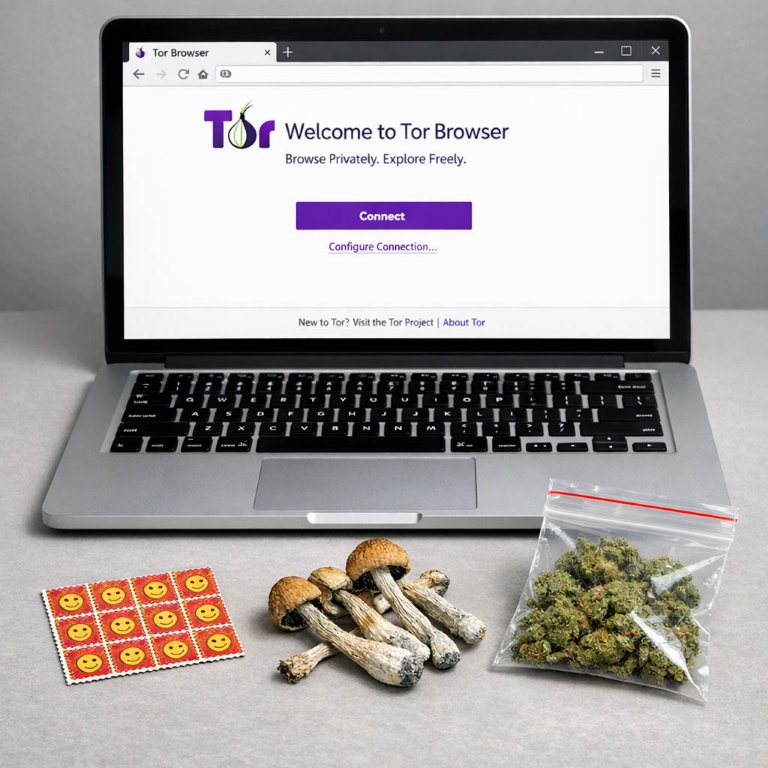
How Darknet Security Keeps Drug Trading Safe and Reliable
The operational resilience of darknet markets is fundamentally dependent on their adaptive security methods. These systems do not rely on static defenses but evolve in response to emerging threats and technological advancements. This continuous adaptation creates a robust environment where commerce can proceed with a high degree of confidence for all participants.
A primary adaptive mechanism is the implementation of multi-layered encryption. All communications, from vendor listings to private messages, are secured with protocols like PGP. This end-to-end encryption ensures that even if network traffic is intercepted, the content of transactions remains private. Markets frequently update their recommended encryption standards and tools, pushing users to adopt stronger methods as older ones become vulnerable.
The architecture of the markets themselves demonstrates adaptability. Many platforms utilize bulletproof hosting services in jurisdictions with favorable laws, but they also prepare for takedowns through mirror links and backup domains. These are distributed through user forums and encrypted channels, allowing the platform to quickly re-establish access if a primary URL is seized. This decentralization of access points makes a complete and permanent shutdown logistically difficult.
Financial security is maintained through the adaptive use of cryptocurrency tumblers and the increasing adoption of privacy-centric coins like Monero. While Bitcoin is common, its transparent blockchain is a weakness. In response, markets and their users actively migrate to currencies with built-in obfuscation features, adapting their financial workflows to enhance anonymity. Internal systems also automatically flag or delay transactions that exhibit unusual patterns, adding a layer of automated scrutiny.
At the social layer, trust is managed by self-regulating feedback systems. The review and escrow mechanisms are not simply static features; they are dynamic systems that aggregate community experience. A vendor's reputation score is a real-time security metric, warning buyers of potential fraud. Dispute resolution processes are refined over time based on community feedback, creating an evolved, common-law approach to enforcing contracts without external authorities.
Finally, the codebase of the market platform is in a state of controlled flux. Administrators release frequent updates to patch vulnerabilities, improve interface security, and add new features like two-factor authentication (2FA). This iterative development, often informed by community discussion, means the security posture of the market is proactively strengthened rather than reactively defended.