Darknet Markets 2026:
The dark web is part of the deep web but is built on darknets: overlay networks that sit on the internet but which can't be accessed without special tools or software like Tor. Tor is an anonymizing software tool that stands for The Onion Router — you can use the Tor network via Tor Browser.
| Darknet Market | Established | Total Listings | Link |
|---|---|---|---|
| TorZon Market | 2022 | 140+ | Onion Link |
| Nexus Market | 2024 | 600+ | Onion Link |
| Abacus Market | 2022 | 100+ | Onion Link |
| Ares | 2026 | 100+ | Onion Link |
| Cocorico | 2023 | 110+ | Onion Link |
Updated 2026-10-27
How Encrypted Networks Enable Safe Access to the Darknet
Accessing darknet marketplaces requires specialized software that encrypts all network traffic. The Tor browser routes connections through multiple volunteer-run servers, obscuring a user's original IP address and location. This layered encryption creates a private network channel, separating darknet activity from a person's regular internet use. Marketplaces themselves operate as .onion services, hidden within the Tor network and inaccessible through standard web browsers.
Anonymity extends beyond network access to transactions and communication. Buyers and vendors interact using built-in encrypted messaging systems, ensuring that order details and addresses are not exposed. Financial anonymity is achieved through cryptocurrencies like Bitcoin and Monero. While Bitcoin transactions are public on its blockchain, they are not directly linked to real-world identities. Monero provides enhanced privacy by obfuscating transaction amounts and participant addresses through cryptographic techniques.
The combination of these tools establishes a functional environment for commerce. The process is straightforward:
- Download and run the Tor browser from its official website.
- Locate a reliable marketplace URL through updated directories or forums.
- Fund a cryptocurrency wallet, preferably using a mixing service for Bitcoin or directly using Monero.
- Create an account using a unique username unrelated to other online identities.
This infrastructure allows users to engage in transactions with a significantly reduced risk of personal exposure, forming the foundational layer for all subsequent marketplace interactions.
How Escrow Makes Darnet Drug Deals Safer
The escrow system is a fundamental component of trust on darknet marketplaces. It functions as a neutral third-party service that holds a buyer's cryptocurrency payment after an order is placed but before it is finalized. The funds are only released to the vendor after the buyer confirms satisfactory receipt of the product. This mechanism directly addresses the inherent risk of anonymous commerce, where traditional legal recourse is absent.
From a transactional perspective, the process is straightforward. A buyer selects a product and submits payment, which is then held in the market's escrow wallet. The vendor ships the order upon seeing the secured payment. Upon delivery, the buyer has a predetermined period to finalize the order, which releases the escrowed funds to the vendor. If a dispute arises regarding non-delivery or product quality, the buyer can open a support ticket. Market administrators then act as arbitrators, reviewing communication and evidence from both parties before deciding to release the funds to the vendor or refund them to the buyer.
The advantages of this system are clear. For the buyer, it provides a financial safety net, ensuring payment is not lost if a vendor fails to deliver. It incentivizes vendors to maintain high standards in packaging, stealth, and product quality to avoid disputes that could harm their reputation and delay payment. This creates a self-regulating economic environment where trust is programmatically enforced through the escrow protocol. The escrow model effectively reduces the incidence of outright scams, fostering a more stable and reliable commercial ecosystem where successful transactions are the norm, directly contributing to user confidence and marketplace longevity.
How Reviews Build Trust on the Darknet
User reviews and feedback form the primary trust and verification mechanism on darknet marketplaces, directly replacing the role of traditional consumer protection agencies. This system operates as a continuous, real-time audit of vendor performance and product quality. Each transaction concluded through the platform's escrow system generates an opportunity for the buyer to leave detailed ratings and written comments.
The review structure typically breaks down into several scored categories:
- Product quality relative to its advertised description.
- Stealth and packaging effectiveness for discreet shipping.
- Communication speed and clarity with the vendor.
- Shipping time against the vendor's stated handling period.
This multi-faceted feedback creates a transparent reputation score for each vendor, which is displayed prominently on their profile. A vendor with a high score and hundreds of positive reviews establishes a track record of reliability. Conversely, a pattern of negative reviews highlighting underweight products or poor stealth quickly informs the community, allowing buyers to avoid risky transactions. The feedback loop is self-reinforcing; vendors are economically incentivized to maintain high standards to preserve their reputation and continue attracting business. This collective intelligence reduces uncertainty for new users and elevates the overall reliability of the marketplace ecosystem.

How Cryptocurrency Makes Buying on the Darknet Safe and Private
The financial architecture of darknet marketplaces is fundamentally built upon cryptocurrency, primarily Monero (XMR) and Bitcoin (BTC). These digital currencies provide a necessary layer of financial privacy, enabling transactions that are not directly tied to real-world identities. This system replaces traditional banking, which involves identifiable personal details and leaves a clear audit trail. The use of cryptocurrency is not merely a preference but a core operational requirement, facilitating a pseudonymous economic environment where buyer and vendor interact without exchanging sensitive financial data.
Monero has become the preferred standard due to its enhanced privacy features. Unlike Bitcoin, where transaction histories are publicly visible on the blockchain, Monero uses stealth addresses and ring signatures to obfuscate the sender, receiver, and amount involved. This makes transactions fungible and untraceable, providing a higher degree of security for all parties. While Bitcoin is still accepted on many platforms, its transparent ledger is a vulnerability, requiring users to employ additional tumbling or coin mixing services to break the chain of evidence, adding an extra step and potential cost.
The transaction process itself is secured by the marketplace's escrow system. When a purchase is made, funds are held in escrow by the market administrators until the buyer confirms satisfactory receipt of the product. This mechanism builds trust and ensures vendor accountability. Only after finalization are the cryptocurrency funds, minus the market's commission, released to the vendor. This creates a self-enforcing framework for honest trade, as vendor income is directly contingent upon fulfilling orders reliably.
For the user, managing cryptocurrency involves a few key steps:
- Acquiring coins from a reputable exchange.
- Transferring them to a personal, secure wallet under the user's control (never sending funds directly from an exchange to a marketplace).
- Finally, depositing the required amount into the generated marketplace wallet address to fund a purchase.
A Huge Catalog and Clear Listings on the Darknet
The operational scale of a darknet marketplace is immediately apparent in its catalog. Unlike fragmented street-level availability, these platforms aggregate global supply, presenting a comprehensive inventory that spans numerous categories. Shoppers can find everything from common substances to specialized pharmaceuticals and research chemicals, each with multiple vendors offering competitive options.
Product listings are structured with a high degree of detail, mirroring legitimate e-commerce. Each entry typically includes:
- High-resolution photographic evidence of the product.
- Precise chemical or common names, alongside stated purity percentages.
- Clear pricing by weight or unit, often in cryptocurrency.
- Explicit shipping options, destinations, and expected delivery timelines.
This standardization of information reduces buyer uncertainty. The description field allows vendors to specify production methods, expected effects, and recommended dosages, creating a form of consumer guidance. The platform's search and filter functions enable efficient navigation of this vast catalog, allowing users to sort by price, vendor rating, or shipping origin. This environment transforms procurement from a haphazard process into a systematic one, where informed comparisons are not just possible but encouraged by the interface design.
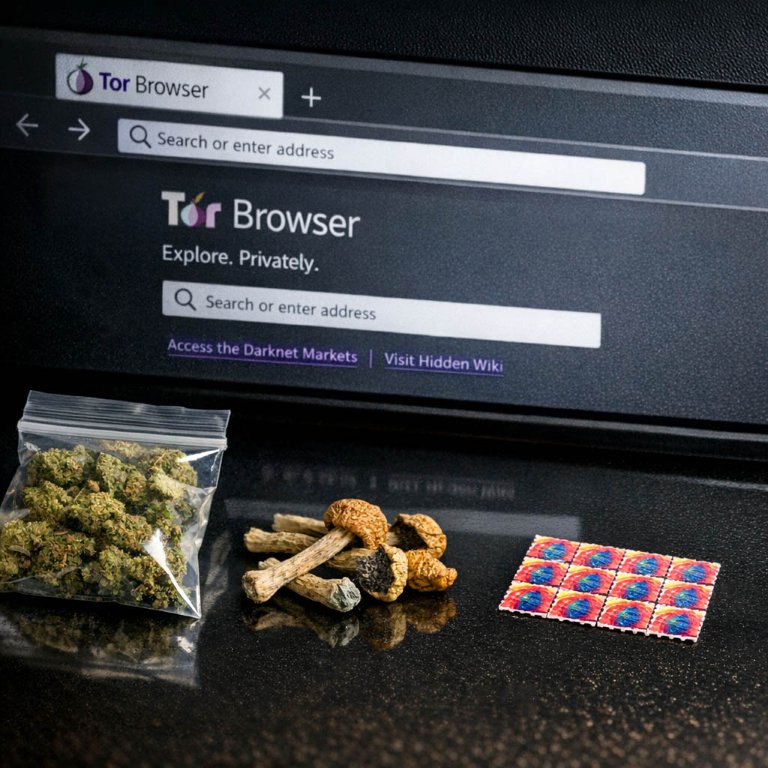
How Vendor Reviews Make Shopping Safer
The vendor reputation system is the primary mechanism for establishing trust and safety on a darknet marketplace. It functions as a decentralized, community-driven review process where every completed transaction contributes to a vendor's public profile. This profile typically includes a numeric rating, detailed feedback from past buyers, and statistics on completed orders.
A high reputation score, often displayed as a percentage or number of stars, directly correlates with a vendor's reliability. Buyers assess this data to make informed decisions. Key metrics examined are:
- Product quality consistency across multiple reviews.
- Stealth and packaging effectiveness noted by recipients.
- Shipping speed and adherence to advertised delivery times.
- Communication quality and professionalism in resolving issues.
The system is self-reinforcing; vendors with established positive reputations have a significant economic incentive to maintain high standards, as their shop's visibility and sales volume depend on it. Conversely, new vendors often start with smaller volumes to build their score organically. This creates a stable environment where reputation acts as capital, and the community collectively polices the market by exposing scams or poor-quality products through negative feedback.
How the Darknet Builds Trust for Safer Trade
The operational model of a darknet marketplace is fundamentally a self-regulating commercial system. This system replaces traditional legal enforcement with a sophisticated framework of cryptographic security, financial escrow, and community-driven reputation. Transactions are secured through encrypted networks and anonymous cryptocurrency payments, which provide a foundational layer of privacy and security for all participants.
The mechanism of escrow services is central to ensuring transactional integrity. Funds are held by the platform until the buyer confirms satisfactory receipt of the product, which directly mitigates the risk of fraud. This financial safeguard is reinforced by a transparent feedback loop. User reviews and detailed vendor ratings create an accountable environment where vendor performance is publicly documented. A vendor's reputation, built over many successful transactions, becomes their most valuable commercial asset, directly guiding purchasing decisions.
This ecosystem fosters a form of organic regulation:
- Vendors with high ratings and positive reviews gain more business.
- Vendors who engage in poor practices receive negative public feedback, which diminishes their sales and can lead to removal by marketplace administrators.
- The wide selection and detailed product listings allow for informed consumer choice based on specific product quality and vendor reliability.
Consequently, the system aligns the economic interests of vendors, buyers, and the platform itself toward maintaining reliability and trustworthiness, creating a stable and efficient environment for commerce without external oversight.