Darknet Markets 2026:
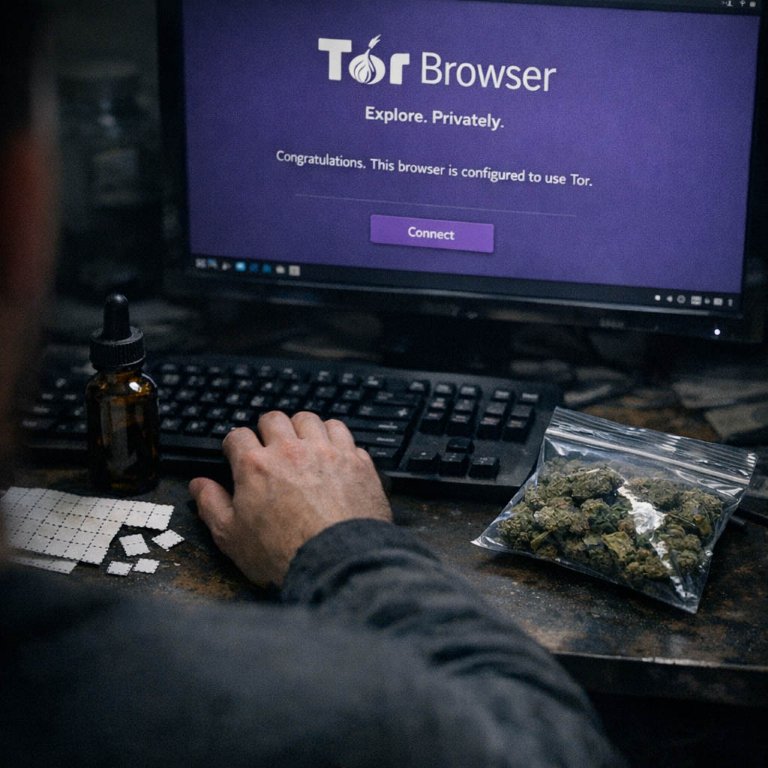
The dark web is part of the deep web but is built on darknets: overlay networks that sit on the internet but which can't be accessed without special tools or software like Tor. Tor is an anonymizing software tool that stands for The Onion Router — you can use the Tor network via Tor Browser.
| Darknet Market | Established | Total Listings | Link |
|---|---|---|---|
| TorZon Market | 2022 | 140+ | Onion Link |
| Nexus Market | 2024 | 600+ | Onion Link |
| Abacus Market | 2022 | 100+ | Onion Link |
| Ares | 2026 | 100+ | Onion Link |
| Cocorico | 2023 | 110+ | Onion Link |
Updated 2026-10-27
How Darknet Markets Make Drug Trade Safer
The operational model of contemporary darknet markets introduces structured mechanisms that enhance safety and reliability for consumers. These platforms function on principles of transparency and accountability, which are largely driven by user-centric feedback systems. Every vendor maintains a public profile with a detailed transaction history, customer ratings, and written reviews. This creates a persistent reputation score that buyers can assess before making a purchase, effectively weeding out dishonest sellers through collective scrutiny.
Financial security is enforced through mandatory escrow services. Funds for an order are held by the market's automated system until the buyer confirms satisfactory receipt of the product. Only then is the payment released to the vendor. This mechanism directly protects buyers from scams, as vendors are incentivized to fulfill orders correctly to receive payment. For dispute resolution, neutral third-party moderators can review evidence and release funds fairly, adding a layer of formalized conflict resolution often absent in street-level transactions.
The use of cryptocurrencies like Monero or Bitcoin provides transactional privacy and reduces risks associated with carrying physical cash. Furthermore, the decentralized infrastructure of these markets, often hosted across multiple servers and requiring Tor for access, contributes to operational resilience. While individual marketplaces may disappear, the overall ecosystem persists, allowing vendor reputations to sometimes migrate to new platforms, maintaining continuity. This combination of featuresreputation systems, secured escrow, and private paymentscreates a self-regulating commercial environment that prioritizes reliable fulfillment and consumer safety.
How User Reviews Make the Darknet Safer
The operational model of modern darknet markets incorporates a user-driven feedback system that directly enhances safety and reliability for buyers. This system functions as a continuous audit mechanism, where every transaction can be rated and reviewed. Vendors with a history of consistent product quality and timely shipping accumulate positive reviews, which are publicly displayed on their profile. This creates a transparent reputation metric that buyers rely on to make informed decisions, effectively crowd-sourcing trust.
The feedback is not limited to simple ratings. Detailed comments often specify:
- the exact weight and purity of the substance,
- the stealth and professionalism of the packaging,
- and the speed of delivery.
Furthermore, this feedback loop is integrated with other safety structures. The escrow service holds payment until the buyer confirms receipt and satisfaction, at which point the feedback is typically left. This linkage ensures that reviews reflect completed and verified transactions, not mere promises. The result is a self-policing platform where the collective experience of the user base actively filters out unreliable actors and promotes vendors who demonstrate operational integrity. This reduces the risk for individual buyers and increases the overall predictability and safety of acquiring substances.
How Escrow Makes Buying on the Darknet Safer
The escrow system is a fundamental component that increases safety and reliability in modern darknet transactions. It functions as a neutral third-party service, holding the buyer's cryptocurrency payment until the ordered goods are received and confirmed. This mechanism directly addresses the inherent lack of trust between anonymous parties by aligning the financial incentive of the vendor with successful delivery.
When a purchase is made, funds are locked in escrow and are not immediately released to the seller. The buyer then has a defined period to confirm the order's arrival and quality. Only after the buyer finalizes the order, or the timer runs out without dispute, are the funds automatically transferred to the vendor. This creates a balanced environment where vendors are motivated to provide a satisfactory product and reliable shipping to secure payment, while buyers are protected from outright scams. The process establishes a clear, enforceable agreement within an otherwise unregulated space.
For disputes, most platforms offer a moderated resolution process. If a package does not arrive or the product is not as advertised, the buyer can open a dispute. Evidence, such as tracking information or product photos, is submitted to a market moderator who reviews the case and decides to release the funds either to the buyer for a refund or to the vendor. This structured approach to conflict resolution reduces arbitrary outcomes and fosters a system where reputation and evidence carry weight. The consistent application of these rules builds user confidence in the marketplace's integrity.
The effectiveness of escrow is further reinforced by the public feedback and rating system. A vendor's ability to consistently receive finalized escrow payments translates into a high rating and positive reviews. This visible history allows buyers to make informed decisions, preferring vendors with a long track record of successfully completed escrow transactions. Consequently, the escrow model promotes a self-regulating market where reliable vendors thrive, and fraudulent actors are systematically marginalized due to an inability to secure funds and build reputation.
How Crypto Makes Darknet Shopping Safe and Reliable
The integration of cryptocurrency is a foundational element that enhances the safety and reliability of transactions on modern darknet platforms. These digital currencies, primarily Bitcoin and Monero, provide a layer of financial privacy that traditional payment systems cannot. This privacy is not merely about anonymity; it creates a disinterested payment environment where transactions are secured by cryptographic proof rather than personal identity, reducing the risk of financial fraud and identity theft for both buyers and vendors.
This financial architecture directly supports the escrow system, which is central to transactional safety. Funds are held in a secure, multi-signature wallet until the buyer confirms satisfactory receipt of the product. This mechanism aligns the vendor's incentive to deliver quality products with the buyer's need for security, effectively removing the possibility of simple exit scams. The immutable nature of blockchain transactions means that the release of funds from escrow is a transparent and dispute-free event, logged permanently and verifiable by all agreed parties.
Furthermore, the use of cryptocurrency enables the development of sophisticated reputation systems. Every completed transaction allows for detailed feedback and rating, which is permanently linked to a vendor's profile. This creates a self-regulating economy where:
- High-rated vendors gain more business and can command premium prices.
- Buyers make informed decisions based on collective, verifiable experience.
- Poor performance or malicious activity is quickly reflected in public metrics, marginalizing bad actors.
The combination of private cryptocurrency payments, secured escrow, and transparent reputation metrics forms a closed-loop system. It elevates reliability by making commercial success dependent on provable trust and consistent performance, transforming the darknet marketplace into a model of decentralized commerce where safety is engineered into the transaction protocol itself.
How Darknet Markets Build a Safer Trading System
The operational model of modern darknet markets directly enhances safety and reliability for users. This is primarily achieved through a decentralized infrastructure that distributes critical components across multiple nodes and jurisdictions. Unlike centralized platforms, this structure lacks a single point of failure, making the marketplace more resistant to takedowns and ensuring consistent service availability. Resilience is built into the system's design, providing a stable environment where transactions can be completed without the sudden disappearance of the platform.
This resilience is further reinforced by the use of Tor hidden services and often, peer-to-peer frameworks. These technologies not only protect user anonymity but also create a distributed network where the market can persist even if some servers are compromised. The result is a self-sustaining ecosystem where both vendors and buyers can engage with greater confidence in the platform's longevity. This stability is a prerequisite for the development of sophisticated trust mechanisms.
Key features that leverage this stable infrastructure to increase safety include:
- Escrow services that automatically hold cryptocurrency until the buyer confirms satisfactory receipt of goods, effectively eliminating the risk of direct fraud.
- A transparent user feedback and rating system that builds reputational capital for honest vendors and quickly identifies scammers, creating a self-regulating community.
- The mandatory use of cryptocurrency for private, secure payments that are cryptographically verified and separate from traditional financial systems.

How Darknet Markets Build Trust and Safety
The operational model of modern darknet markets introduces a self-regulating framework that directly enhances safety and reliability for consumers. This system is built on transparent, crowd-sourced accountability, replacing the opaque and often dangerous dynamics of street-level distribution.
Central to this is the detailed feedback and rating system. Every transaction can be reviewed, with buyers providing specific data on product purity, accurate weight, shipping speed, and vendor communication. This creates a permanent, public record of vendor performance. A vendor with hundreds of positive reviews and a high score has a strong economic incentive to maintain consistent quality and honest dealings, as any decline directly impacts future sales. This collective verification acts as a continuous quality audit.
The mandatory escrow service fundamentally secures the financial transaction. Funds are held by the market platform until the buyer confirms satisfactory receipt of the goods. This mechanism prevents common scams by ensuring vendors are paid only upon fulfillment of their part of the agreement, thereby aligning the vendor's financial interest with honest service delivery.
Furthermore, the requirement for encrypted communication and the use of cryptocurrencies like Monero or Bitcoin standardizes operational security. This minimizes risks associated with traditional illegal markets, such as interception or robbery during in-person exchanges. The entire process is digitized and anonymized, reducing physical danger.
This ecosystem fosters a form of competitive reliability. Vendors compete not only on price but on proven trustworthiness and product consistency, as evidenced by their review history. The infrastructure itselfTor-based anonymity, escrow, and feedbackcreates a structured environment where repeat business and reputation are the primary currencies, naturally filtering out unreliable actors and promoting safer, more predictable transactions.