Darknet Markets 2026:
The dark web is part of the deep web but is built on darknets: overlay networks that sit on the internet but which can't be accessed without special tools or software like Tor. Tor is an anonymizing software tool that stands for The Onion Router — you can use the Tor network via Tor Browser.
| Darknet Market | Established | Total Listings | Link |
|---|---|---|---|
| TorZon Market | 2022 | 140+ | Onion Link |
| Nexus Market | 2024 | 600+ | Onion Link |
| Abacus Market | 2022 | 100+ | Onion Link |
| Ares | 2026 | 100+ | Onion Link |
| Cocorico | 2023 | 110+ | Onion Link |
Updated 2026-10-27
Getting the Right Onion Address for Your Darknet Shopping
Accessing a darknet market begins with obtaining its correct onion address, a unique identifier that functions as a gateway. These addresses are distributed through specialized forums and link aggregators, which serve as community hubs for verifying current URLs. The dynamic nature of these addresses, due to both operational security and occasional law enforcement actions, necessitates using only the most recently verified links to avoid phishing sites.
Once a legitimate address is acquired, access requires the Tor Browser. This software encrypts and routes traffic through multiple layers, obscuring the user's location and the destination server. This dual anonymity protects both the shopper and the market infrastructure. Prior to any transaction, evaluating the market's interface, vendor selection, and stated operational security policies is a standard due diligence step.
Successful navigation to a market's homepage reveals its core offerings. A functional darknet platform typically presents:
- A searchable catalog of goods, organized by category.
- Vendor profiles with detailed feedback scores and transaction history.
- An integrated escrow system managed by the market administrators.
- Encrypted messaging tools for secure buyer-vendor communication.
The presence of these features indicates a mature platform designed for sustainable trade, where privacy and transactional security are engineered into the process, facilitating anonymous shopping and secure vendor trades.
Onion Addresses Open Private Markets for Secure Shopping
An onion address functions as the essential access point to a darknet market, a specialized platform for free trade where conventional financial and social restrictions are absent. These addresses, accessible only through the Tor network, provide a layer of initial anonymity that protects both the platform's location and the user's first step into the ecosystem. The design of these markets facilitates a direct peer-to-peer economic exchange, enabling the trade of a wide variety of goods, including recreational substances, with a focus on privacy and security not typically available on the clear web.
The operational model of these platforms relies on several key features that promote safe and anonymous shopping:
- Cryptocurrency transactions, primarily using Bitcoin or Monero, provide financial privacy by separating transactional data from personal identity.
- End-to-end encryption for all communications between buyers and vendors ensures that deal specifics remain confidential.
- The widespread use of a multisignature escrow system holds funds securely until the buyer confirms satisfactory receipt of goods, which dramatically reduces fraud and builds transactional trust without requiring personal information.
This environment fosters a self-regulating community where vendor feedback and review systems are paramount. A seller's reputation, built over many successful transactions, becomes their most valuable asset, encouraging reliable service and high-quality products. The inherent anonymity of the marketplace does not hinder commerce but rather enables it by shifting the basis of trust from personal identity to verifiable transaction history and cryptographic safeguards. Consequently, these gateways lead to efficient, secure, and consumer-driven platforms that demonstrate a functional model of unrestricted digital commerce.
How to Shop Safely for Anything on the Darknet
Accessing a darknet market begins with obtaining its correct onion address, typically sourced from community-reviewed directories. This initial step is critical for establishing a secure connection. Upon entry, users encounter platforms designed for anonymous shopping, where a wide array of goods, including recreational pharmaceuticals, digital products, and other commodities, are listed. The privacy of these transactions is maintained through layered encryption protocols.
The Tor network obfuscates the user's IP address, while end-to-end encryption secures all communication between buyer and vendor. For financial anonymity, transactions are conducted almost exclusively in cryptocurrencies like Bitcoin or Monero, with the latter providing enhanced privacy features. This multi-layered approach ensures that personal identities and transaction details remain confidential, creating a secure environment for trade.
Security is further institutionalized through platform mechanisms. The escrow system is fundamental, holding the buyer's cryptocurrency in a secure deposit until the goods are received and confirmed. This protects both parties from fraudulent activities. After a transaction is completed, the ability to leave detailed feedback and reviews builds a transparent reputation system. Vendors with consistent positive feedback become trusted entities within the marketplace ecosystem.
- Use the Tor Browser for all access.
- Verify onion addresses from multiple sources.
- Enable all security settings to the highest level.
- Utilize cryptocurrency wallets with strong privacy controls.
- Always engage the escrow service for transactions.
The combination of these technological and social frameworks facilitates efficient and secure trade. The market's architecture, prioritizing anonymity and cryptographic security, directly enables the free exchange of goods with a significantly reduced risk of personal exposure or financial loss.

How Encryption Protects Your Privacy and Purchases on the Darknet
The operational security of a darknet market is fundamentally dependent on a layered encryption model. This system functions as an integrated security protocol, safeguarding both the user's identity and the transaction data from point of origin to completion.
Access begins with the onion address itself, which is a hash of the market's public key. This guarantees that the connection is established with the genuine server, not an imposter, through the Tor network's inherent encryption. All traffic between the user's device and the market is wrapped in multiple layers of encryption, anonymizing the network pathway.
For direct communication, such as messaging a vendor, end-to-end encryption (E2EE) is employed. Here, messages are encrypted on the sender's device and only decrypted on the recipient's. The market platform cannot read the contents, ensuring private negotiations about product specifics, shipping, or special requests remain confidential.
Financial transactions are secured via cryptocurrency, primarily Bitcoin or Monero, which acts as a form of transactional encryption. Monero provides enhanced privacy through ring signatures and stealth addresses, obscuring the sender, receiver, and amount. Funds are held in a market-controlled escrow during the deal, released only upon successful completion, which is a trust mechanism enabled by this encrypted financial layer.
The combined effect of these technologies creates a secure environment for trade:
- Tor and onion routing protect the connection and location.
- End-to-end encryption protects communication content.
- Cryptocurrency encryption protects financial movement and identity.
This architecture allows participants to engage in commerce with a significantly reduced risk of exposure, making the ecosystem viable for the discreet acquisition of various goods, including recreational substances, by prioritizing operational security through encryption at every stage.
How Escrow Makes Buying Safer on the Darknet
Escrow services are a fundamental component that enables secure transactions on darknet markets. When a buyer selects a product, the payment is held by the market's escrow system instead of being sent directly to the vendor. This creates a protected intermediary stage where funds are secured until the buyer confirms satisfactory receipt of the goods. The mechanism directly addresses the inherent lack of legal recourse in anonymous environments, replacing institutional trust with a cryptographic and procedural framework.
The process functions through a sequence of automated steps. A buyer initiates an order, and the cryptocurrency is locked in escrow. The vendor is then notified to ship the product. Upon delivery, the buyer finalizes the transaction, releasing the funds from escrow to the vendor. This system incentivizes honest conduct from both parties. Vendors are assured of payment for shipped items, while buyers are protected from scams, as vendors only receive funds after the buyer confirms the order is complete. Disputes are handled by market moderators who review communication and evidence before adjudicating the release of escrowed funds.
This escrow model facilitates a safer ecosystem for the trade of various goods, including recreational drugs, by significantly reducing the risk of financial loss. It allows buyers to engage with new vendors with greater confidence and encourages vendors to maintain high standards in product quality and shipping reliability to avoid disputes and negative feedback. The resulting increase in transactional security is a primary reason for the operational resilience and user adoption of these platforms, as it builds a self-reinforcing cycle of trust and economic activity within the community.

How Reviews Build Trust on Darknet Markets
The darknet market onion address provides access to a platform where community-driven verification is fundamental. User feedback and vendor reviews create a transparent reputation system that directly informs purchasing decisions. This system allows buyers to assess a vendor's reliability based on the documented experiences of previous customers.
Positive reviews and high ratings signal a vendor's consistent product quality and professional conduct. Detailed feedback often includes specifics on:
- the accuracy of product description and weight
- the speed and discretion of shipping
- the clarity and timeliness of communication
This collective intelligence reduces risk for new users, enabling safer anonymous shopping. Vendors with established positive reputations have a strong incentive to maintain high standards, as their business success depends on it. The review system transforms individual transactions into a collective mechanism for ensuring secure vendor trades, fostering a self-regulating environment where trust is built and maintained through verifiable performance.
How Anonymity Makes the Darknet a Safer Place to Buy
The operational foundation of a darknet market is its provision of anonymity, which functions as the primary catalyst for its economic activity. This is not merely a feature but the core structural element that enables the market to exist. Anonymity is achieved through a layered technological approach, starting with the .onion address accessed via the Tor network. This protocol obscures a user's IP address and physical location, creating a fundamental separation between their legal identity and their market presence.
This separation directly facilitates free trade for goods that are regulated or prohibited in conventional commerce. For substances like cannabis, psychedelics, or prescription medications, the market provides a platform where adult consumers can engage in transactions based on personal choice without geographic restriction. The system's design acknowledges that demand exists and channels it into a space where security and privacy are prioritized. The encryption used for all communications and financial transactions ensures that the details of a trade remain confidential between the buyer and vendor.
The ecosystem's stability relies on this anonymous framework to build trust. When personal identities are protected, the reputation system based on feedback and reviews becomes the paramount currency. Vendors invest in consistent product quality and reliable shipping to maintain high ratings, as this is their sole identifiable metric within the system. Similarly, the widespread use of escrow serviceswhere funds are held by the market until the buyer confirms receiptmitigates fraud. This creates a self-regulating environment where successful, repeat transactions are incentivized, and bad actors are marginalized through collective feedback.
Ultimately, anonymity transforms the darknet from a simple listing of products into a resilient market ecosystem. It allows for the efficient matching of supply and demand for a wide range of goods while using encryption and procedural safeguards to protect all participants. The resulting environment demonstrates how trade can self-organize under conditions of enhanced privacy, fostering networks of exchange that operate on principles of demonstrated reliability rather than legal sanction.
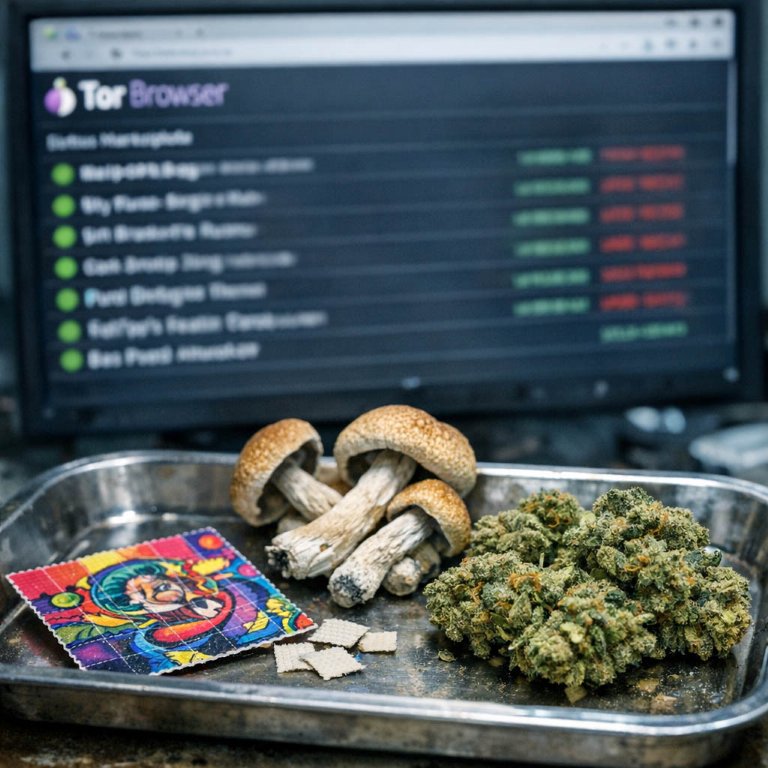
How Darknet Markets Make Trading Efficient and Secure
The operational model of a darknet market is engineered for efficient peer-to-peer trade. It functions as a specialized platform where buyers and sellers connect directly, eliminating traditional intermediaries and reducing associated costs. This structure allows for a diverse inventory of goods, from digital products to pharmaceuticals, to be listed, searched, and acquired with a streamlined process.
Efficiency is sustained through integrated systems. The escrow service holds a buyer's cryptocurrency until the product is received and confirmed, which protects both parties and incentivizes honest transactions. Furthermore, the feedback and review system creates a transparent reputation framework. Vendors with consistent positive feedback gain trust, which facilitates faster decision-making for buyers and rewards quality sellers with more business.
This ecosystem thrives on cryptographic security and anonymity. Transactions are secured by blockchain technology and encrypted communication, ensuring that trade details remain private. The resulting environment enables a free market where demand and supply dictate availability and price, and where users can engage in commerce with a high degree of confidence and operational efficiency.